Following the River: Shaping Toronto’s New Island
PUBLISHED: January 30, 2026
In This Blog:
- Discover what we heard during our initial public engagement and how it’s shaping early design for Ookwemin Minising
- Explore highlights from Waterfront Toronto’s October 2025 Open House
- Learn how you can stay involved as Toronto’s new island takes shape
Toronto’s waterfront is transforming, with new parks, connections, and neighbourhoods reshaping how the city meets the lake. On the eastern waterfront, Ookwemin Minising and Quayside are bringing new housing thanks to tri-government partnerships and funding to accelerate Waterfront Toronto’s revitalization plan.
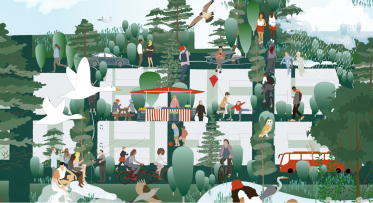
One of the most ambitious projects of its kind in North America, Ookwemin Minising will become home to more than 15,000 people. Thanks to restoration work, it’s already home to many new animals who have moved into the park, wetlands and river.
With flood protection complete and a green frame established for the island, design work began in summer 2025 on the essentials to support new housing and businesses: streets, public spaces, and the utilities, along with the final section of Biidaasige Park. This early design phase was shaped by community engagement, capturing the ideas and aspirations guiding this unique place.
What’s Inside the Engagement Report?
Between July and October 2025, Waterfront Toronto and its partners facilitated broad public outreach and formed the Ookwemin Minising Advisory (OMA) Network, an inclusive network of individuals, organizations and communities with personal, professional and cultural experience relevant to shaping the new island. Together, these parallel streams of public, OMA Network and Indigenous engagement informed the concept design for Ookwemin Minising’s streets and public spaces. This initial Engagement Report brings together more than 600 inputs from workshops, surveys, pop-up events, and an open house.
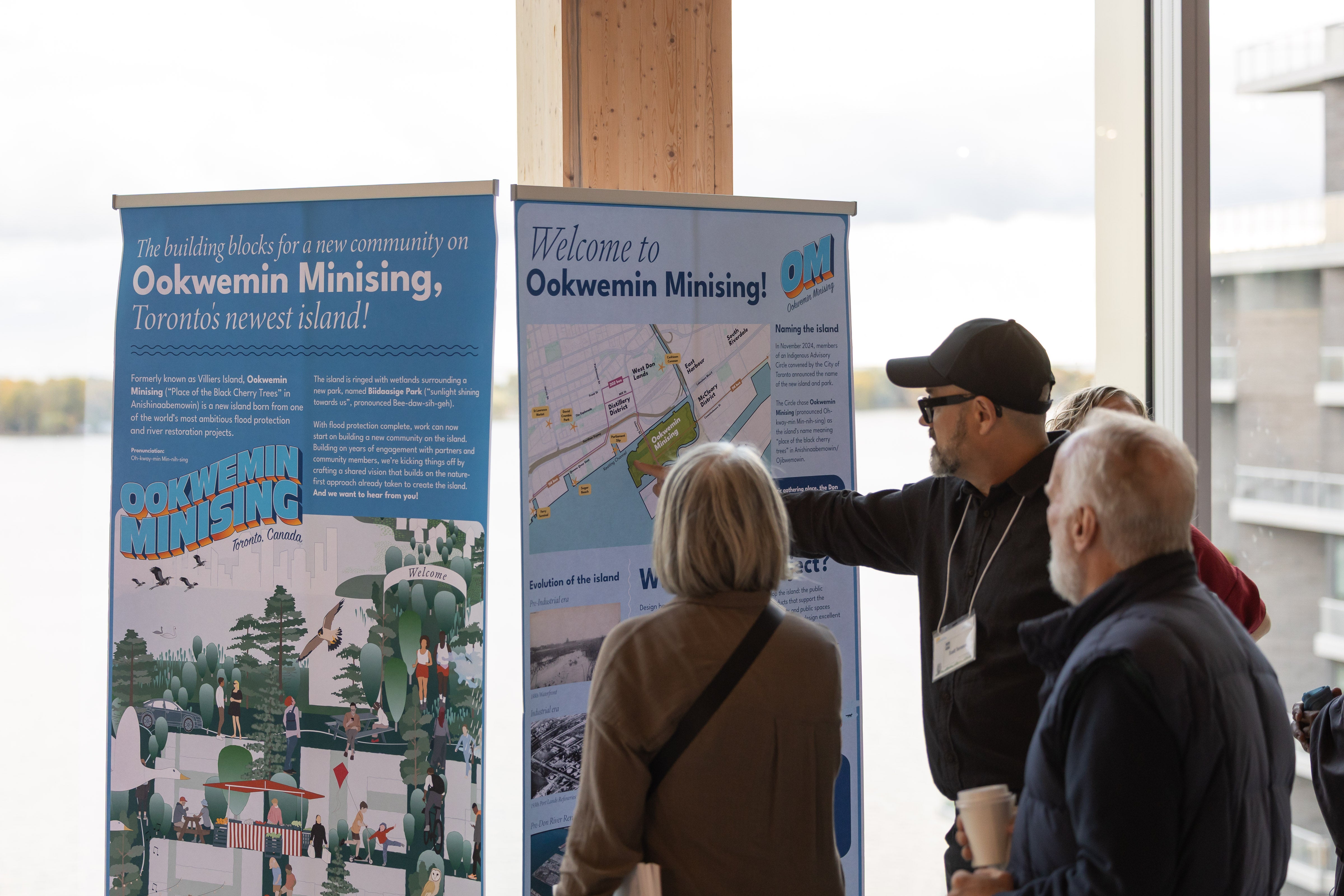
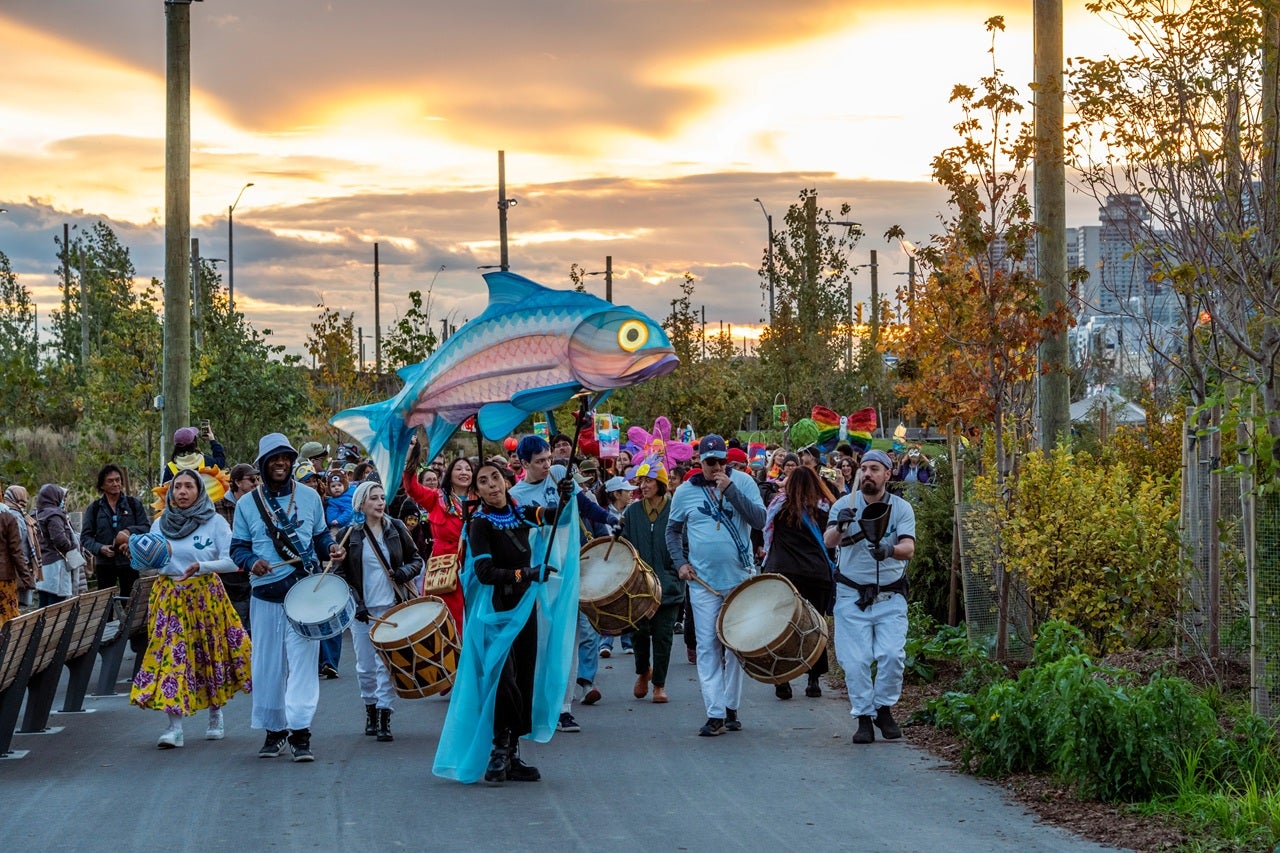
Guests at Waterfront Toronto’s Open House event, October 2025.
Key highlights include:
- Indigenous Leadership and Collaboration: Guided by the Treaty Rights Holders, the Mississaugas of the Credit First Nation (MCFN), alongside the Six Nations of the Grand River, the Wendake and the broader urban Indigenous population, the engagement process emphasized relationship-building and co-design.
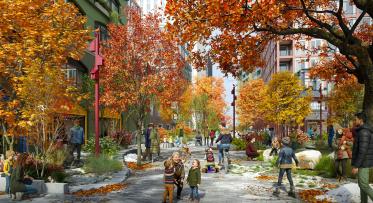
- Growing Streets Vision: Streets are imagined as living ecosystems that support biodiversity and help connect people with water, nature, and each other. The “Growing Streets” concept received strong support for prioritizing active transport, flexible street design, and green corridors.
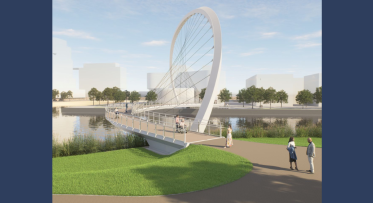
- Connecting to Water, Nature, and City: Participants emphasized the desire for direct water access, family-friendly features, and spaces for reflection and play. Nature-forward design and accessible green space were seen as essential for wellness and belonging.
- Heritage and Living Legacy: There was strong interest in celebrating both tangible and intangible heritage through creative storytelling, Indigenous placekeeping, and evolving legacies.
- Design Details: Feedback favoured varied building forms, human-scale design, and early delivery of community anchors such as parks, inclusive programming, and public art.
For a full summary of what we heard, the engagement process, and next steps:
Materials from the October Open House
As part of this first phase of engagement, Waterfront Toronto hosted an Open House in October 2025, featuring informational boards that shared key themes, engagement activities, and the evolving vision for Ookwemin Minising.
Get to Know Ookwemin Minising
View the Ookwemin Minising Information Board
The Five Landscape-Led Layers Guiding Design
View the Landscape-Led Layers Board
Creating a Complete Community through Character Areas
Rooted in Heritage through a Living Legacy Approach
Ookwemin Minising is home to a number of Heritage buldings that together form a living legacy corridor.
As the design for the island evolves, the project team is taking a living legacy approach, that aims to balance the existing heritage sites, primarily rooted in the industrial history of the area, with the Indigenous and natural history that preceded it. One way we’re exploring this is through the Sandbar Trail. Check out the information board below to learn more.
Space for Nature
View the Space for Nature Board
How we're Employing Strategic Density
How we're Enabling Mobility
Join the Conversation
The transformation of Ookwemin Minising is a collective effort, shaped by the voices and experiences of residents and businesses, Indigenous communities, and city-wide stakeholders. As we move into the next phase of design, Waterfront Toronto remains committed to deepening relationships, broadening engagement, and building a neighbourhood that reflects the aspirations for Toronto’s new island.
Stay up to date on project activities by signing up for our newsletter or following us on our social channels.