The Next Wave: Stories Shaping the Future of Toronto’s Waterfront

PUBLISHED: OCTOBER 26, 2026
In This Blog
- Discover The Next Wave, our 2025–2026 Integrated Annual Report and companion video series.
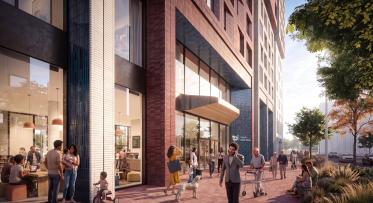
- Explore how new housing and complete communities are taking shape at Quayside and Ookwemin Minising.
- See how transit, sustainability, parks, public art and destinations are shaping a more connected and vibrant waterfront.
- Hear from our colleagues about the partnerships and Indigenous leadership helping shape the waterfront’s future.
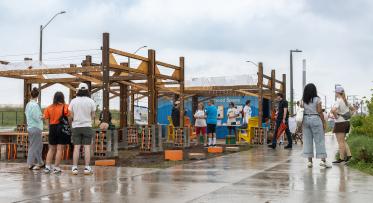
This past year marked a turning point for Toronto’s waterfront and the momentum is palpable. Years of planning, collaboration and hard work are coming to life in ways people can now see, visit and experience. From important progress at Quayside and new transit funding to the launch of Ookwemin Minising and the opening of Biidaasige Park, Toronto’s eastern waterfront is no longer a promise on paper; it is a place taking shape in real time. That is something worth celebrating.
Our 2025–2026 Integrated Annual Report, The Next Wave, captures this milestone year and the partnerships that made it possible, while also looking ahead to the next chapter of waterfront revitalization. The Next Wave video series helps bring these stories to life. Hear from our colleagues as they share their perspectives on five areas shaping the waterfront’s future: housing, destinations, transit, sustainability and Indigenous collaboration.
The Next Wave
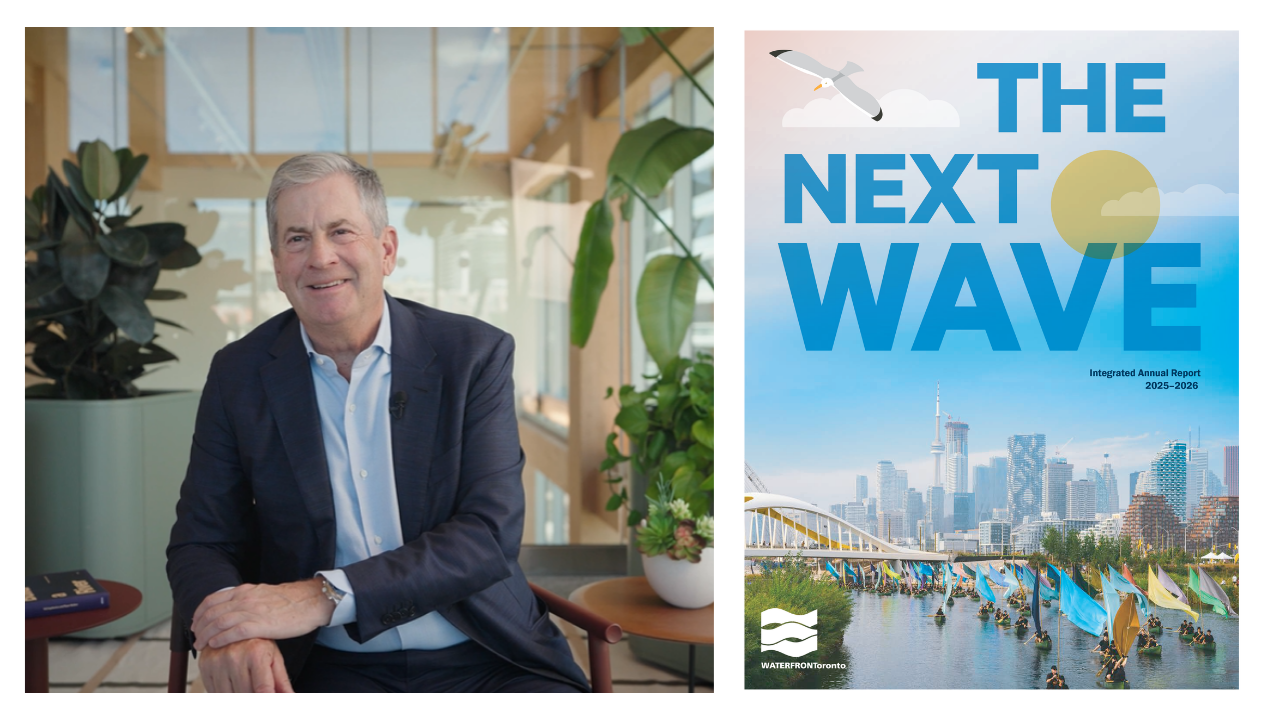
The Next Wave ft. Kevin Sullivan, Chair of the Board of Directors
It all begins with a message from our Board Chair, Kevin Sullivan. Watch The Next Wave teaser for a look at the momentum building across the waterfront and the opportunities ahead, then explore the five episodes below to learn more about the work bringing this next wave to life.
The Next Wave of Housing
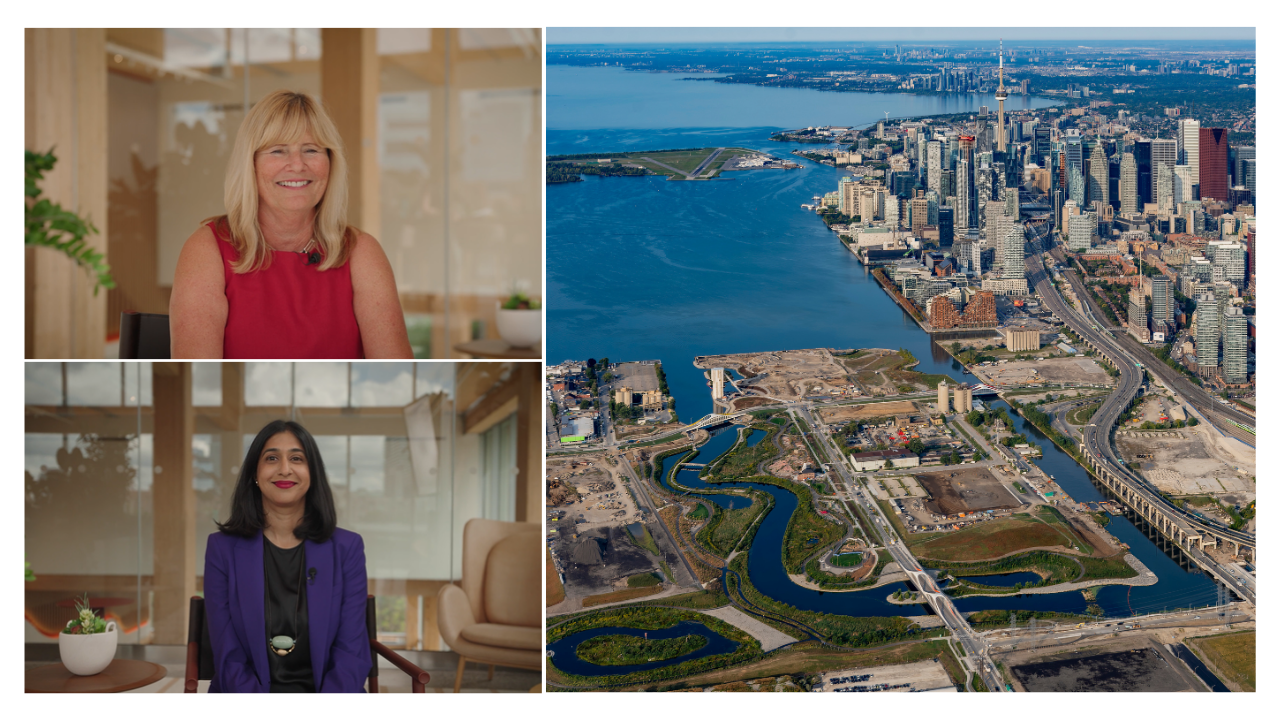
The Next Wave of Housing ft. Meg Davis (top left) and Renée Gomes (bottom left)
Housing is at the heart of waterfront revitalization. In this episode, Meg Davis, Chief Development Officer, and Renée Gomes, Senior Vice President, Development explore how Quayside and Ookwemin Minising are helping turn possibility into place, with thousands of new homes planned as part of complete communities.
Why it matters: Building housing on the waterfront is about more than adding new places to live. It is about creating inclusive, resilient and connected neighbourhoods, complete with the public spaces and amenities that help communities thrive and give people a place to belong.
Read more in the report: Explore Homes & Complete Communities on pages 25–35, including Housing at Quayside on page 27 and plans for a new neighbourhood on Ookwemin Minising on page 28.
Watch The Next Wave of Housing
The Next Wave of Destinations
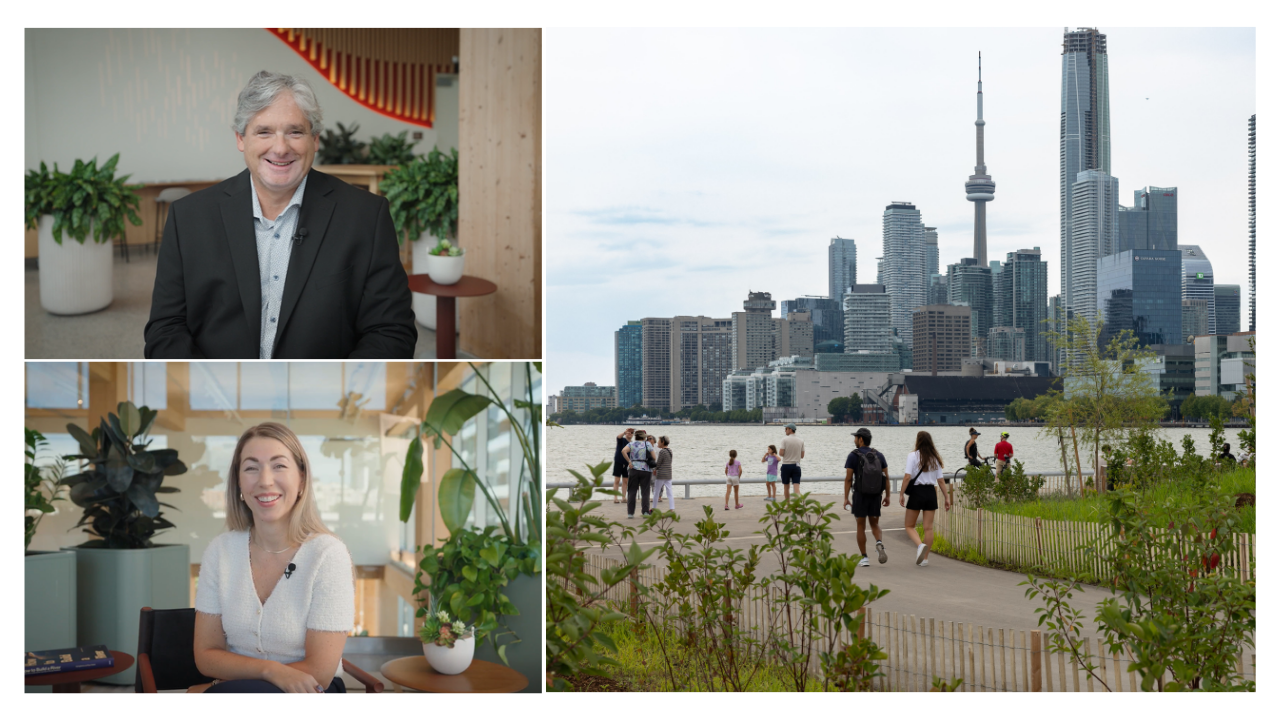
The Next Wave of Destinations ft. Chris Glaisek (top left) and Yvonne Monestier (bottom left)
More parks, public art and destinations are transforming Toronto’s waterfront into one of the city’s great gathering places. In this episode, Chris Glaisek, Chief Planning and Design Officer, and Yvonne Monestier, Public Art Program Manager, explore how thoughtful design, public spaces and cultural experiences can draw people to the waterfront and strengthen connections to the lake.
Why it matters: Great public places are more than sites to visit. They bring people together, build a stronger connection to the water and give people new reasons to experience the water’s edge.
Read more in the report: Explore Destinations & Public Places on pages 53–67, including the public realm planned for Quayside and Ookwemin Minising on pages 54–57, waterfront parks on pages 58–59, the Water’s Edge Promenade on pages 60–61, public art on pages 62–65 and the Waterfront Destination Strategy on page 67.
Watch The Next Wave of Destinations
The Next Wave of Transit
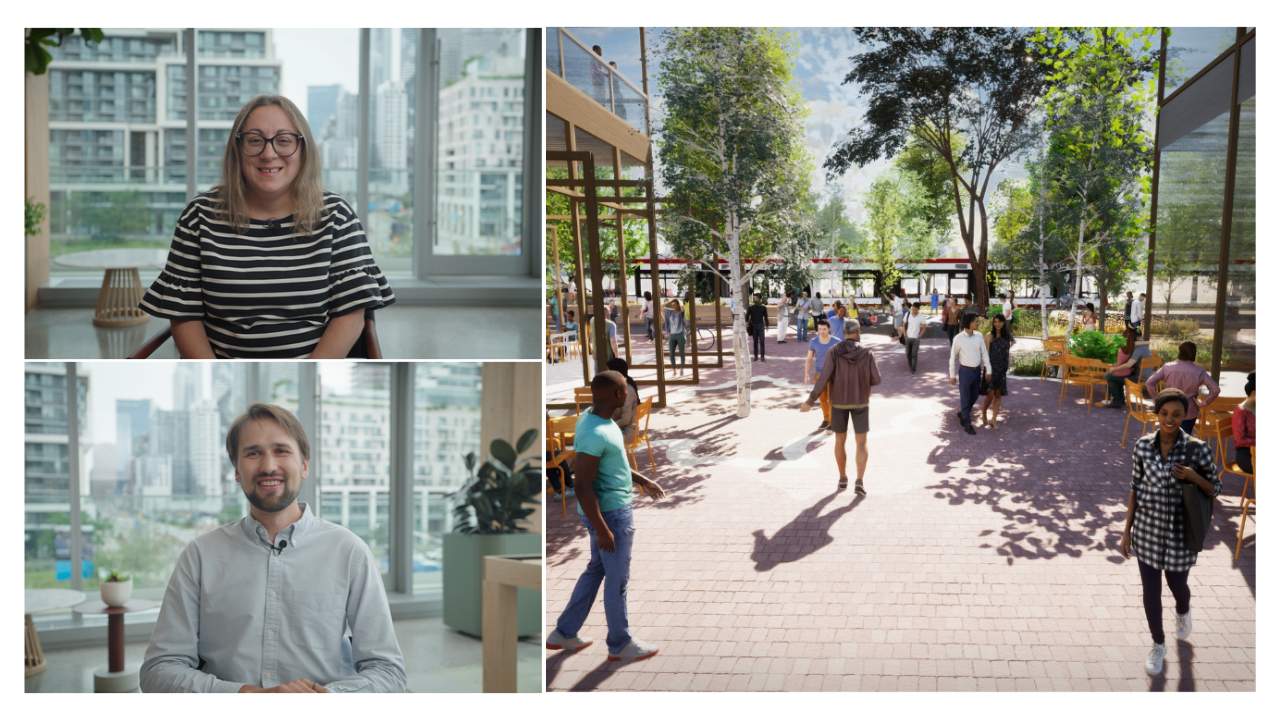
The Next Wave of Transit ft. Pina Mallozzi (top left) and Patrick Meredith-Karam (bottom left)
No matter how people choose to get around — on foot, by bike, behind the wheel, on transit or on the water — the waterfront is becoming easier, safer and more inviting to reach and explore. In this episode, Pina Mallozzi, Senior Vice President, Design, and Patrick Meredith-Karam, Senior Manager, Transportation, look at the infrastructure and connections helping make that happen.
Why it matters: Better mobility is about much more than getting from A to B. Transit and transportation infrastructure can support housing and economic growth, connect communities and make the waterfront easier and more enjoyable to reach and experience.
Read more in the report: Explore Mobility & Connections on pages 41–50, including marine transportation on pages 42–43, the Waterfront East Rapid Transit Line on pages 46–47, improvements east of the Don on pages 48–49 and the Keating Channel Pedestrian Bridge on page 50.
Watch The Next Wave of Transit
The Next Wave of Sustainability
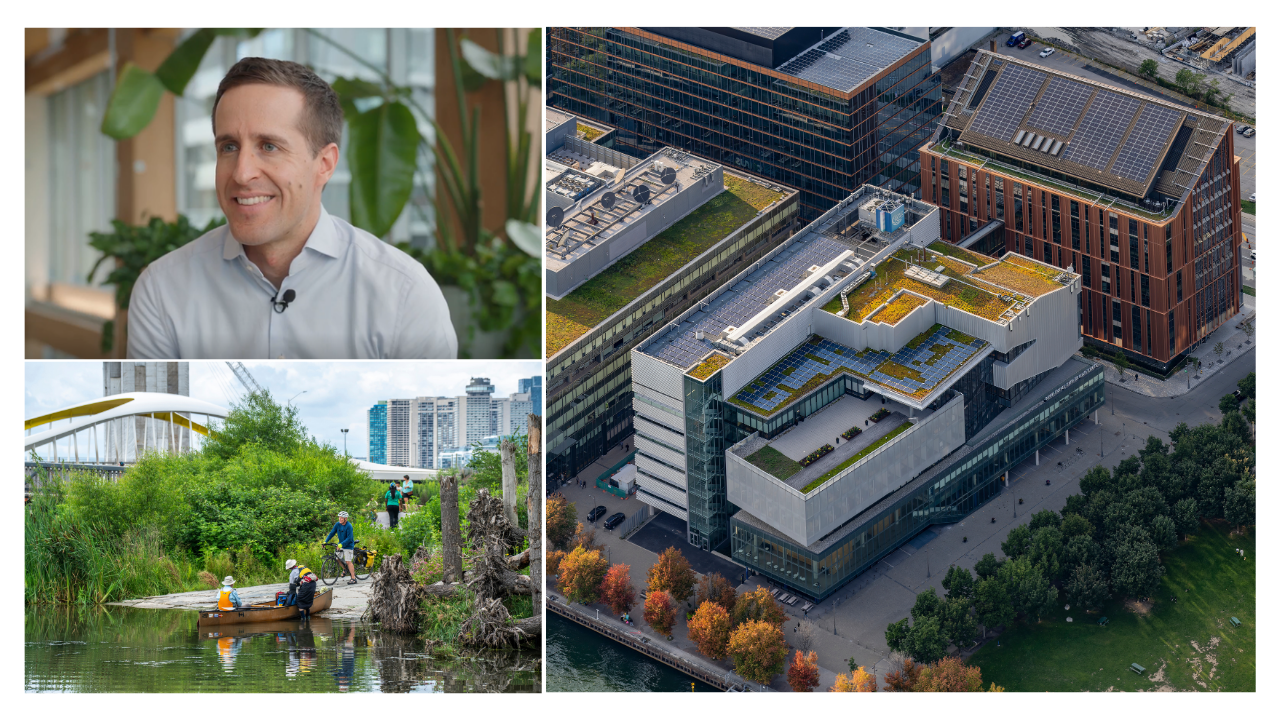
The Next Wave of Sustainability ft. Aaron Barter
Sustainability isn’t an add-on to waterfront revitalization — it’s a big part of why the transformation is succeeding, and how we’re making sure it’s built to last. Sustainability shapes how we plan, procure, design and deliver projects. In this episode, Aaron Barter, Vice President, Program Integration and Sustainability, explores how sustainable infrastructure, public spaces and buildings contribute to a greener built environment and a waterfront where people and nature can thrive together.
Why it matters: Waterfront revitalization is an opportunity to not simply build new neighbourhoods, but to help create a model for a sustainable, resilient city.
Read more in the report: Start with Advancing our climate strategy on pages 22–23 to learn how climate considerations are integrated into Waterfront Toronto’s infrastructure, public spaces and development work. See these sustainable approaches in action at Quayside, 27-28, and Ookwemin Minising, 54–57.
Watch The Next Wave of Sustainability
The Next Wave of Indigenous Collaboration
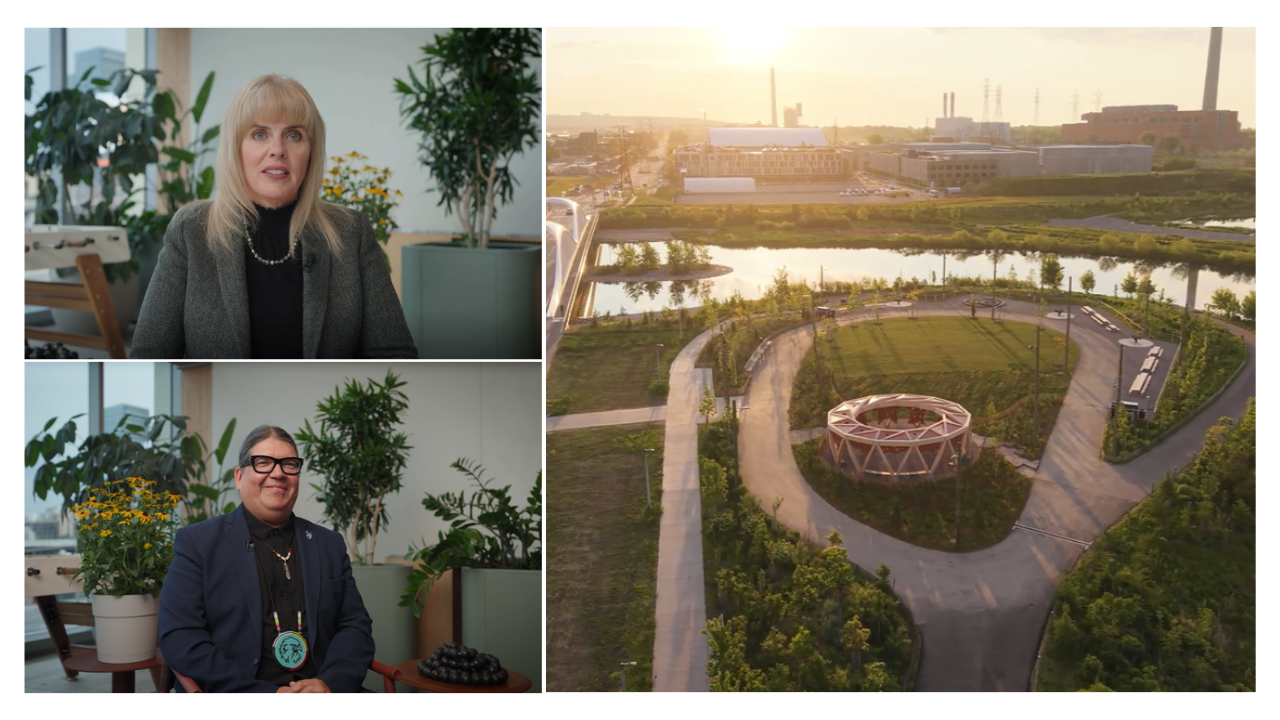
The Next Wave of Indigenous Collaboration ft. Kristina Verner (top left) and Fred Martin (bottom left)
Indigenous languages, knowledge and ways of life have shaped the waterfront for many generations, long before a city called Toronto came to be.
In this episode, Kristina Verner, Vice-President, Strategic Policy and Innovation and Fred Martin, Senior Project Manager, Waterfront, Indigenous Affairs Office, City of Toronto, explore how Indigenous leadership, design insights and ways of knowing continue to inform waterfront revitalization — from the renaturalization of the mouth of the Don River to public realm work at Quayside and on Ookwemin Minising.
Why it matters: This waterfront's story began with Indigenous peoples, and as this place enters its next chapter, Indigenous leadership, knowledge, and presence remain essential to the placekeeping work that will shape its future.
Read more in the report: Read about Partnering with the Treaty Holders on pages 18–19, and explore how Indigenous leadership, knowledge and placekeeping are informing the public realm at Quayside, and Ookwemin Minising, 54–57.
Watch The Next Wave of Indigenous Collaboration
Building the next wave together
These stories each speak to a different aspect of transformation. New housing needs great public spaces. New communities need strong connections. Growth needs to be sustainable and resilient.
We are building for community: for existing neighbours, for the tens of thousands who will one day call these new neighbourhoods home, and for the many people who will come from across the city, the province and around the world to experience all our waterfront has to offer.
None of this happens without partnership grounded in a shared sense of purpose. The future of the waterfront continues to be shaped through collaboration with all three orders of government, the Treaty Holders and other Indigenous communities, community organizations and the public, delivery partners and many agencies.
The work is complex, but the vision is clear. Together, we are shaping the future of Toronto’s waterfront and our city’s next wave.